Duke of the Mokomo Dukedom
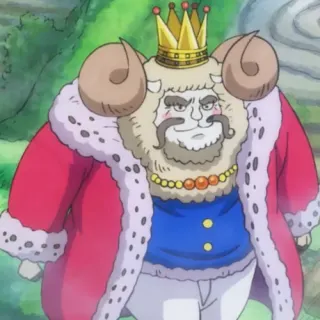
- Name
- ヒツギスカン (Hitsugisukan)
- Status
- alive
- Affiliation
- Mokomo DukedomZou
- First seen
- Ch. 967
“Duke Genghis” · alive (Oden-era flashback) · Duke of the Mokomo Dukedom, Zou · first appeared @0967
Profile
The mink Duke of the Mokomo Dukedom on Zou ~24 years ago. A predecessor leader of the dukedom before it passed to the two kings Inuarashi (Dogstorm) and Nekomamushi (Cat Viper).
Arc-by-arc updates
Oden-era flashback — welcomes the Roger Pirates (Ch. 967) — first appearance
- In the Chapter 967 flashback he welcomes the visiting Roger Pirates (with Oden aboard) after receiving a letter from Dogstorm (Inuarashi) and Cat Viper (Nekomamushi), the “incorrigible problem children” then abroad (p. 14). The crew finds the final Road Poneglyph behind the Kozuki crest in the Whale Forest, learning the Minks and Kozuki were “brothers” (p. 15).
- See Minks, Mokomo Dukedom.
Etymology
- Japanese name: ヒツギスカン Hitsugisukan (VIZ on-page caption @0967 p. 14: “MOKOMO DUKEDOM — Duke Genghis Baan”).
- Triple pun (animal + conqueror + food):
- 羊 hitsuji = “sheep” — Genghis is a sheep mink. The opening Hitsu- of Hitsugisukan surfaces hitsuji.
- ジンギスカン Jingisukan = the Japanese name for the Mongol emperor Genghis Khan; Hitsugisukan swaps the leading Jin- for Hitsu(gi)- → effectively “Sheep-Khan.” His handlebar mustache mirrors Khan’s iconic one.
- jingisukan is also a Mongolian-style grilled-mutton dish named after Genghis Khan — and mutton is sheep meat, so the food layer reinforces his species. Classic Oda animal-plus-food naming.
- VIZ localization “Genghis Baan” keeps both halves in English: Genghis (Khan) + Baan = a sheep’s bleat (“baa”).
- No future reveal is encoded — a pure character-design pun; no Foreshadowing entry warranted.
Sources: One Piece Wiki — Hitsugisukan · Jingisukan (dish) · Genghis Khan
Notes
- §Races:
race: mink— member of Minks (added tomembers/on_page_examples@0967). - Etymology flag (Genghis Baan — “Genghis” evokes Genghis Khan) — resolved by the etymology specialist; see ## Etymology above (
confidence: high).